In short
- March to May brings peak water flow and blooming vegetation.
- September to November offers mild temperatures for the hike.
- Arrive before 10:30 AM to beat the heavy midday crowds.
In this article
The Ourika Waterfalls remain open 365 days a year. Your experience changes heavily based on the season and the time of day you arrive. Spring and Autumn provide the safest hiking conditions and the most comfortable weather for exploring the rocky trails above Setti Fatma.
What is the best season for Ourika Waterfalls?
Spring (March to May) is the absolute best time to visit.
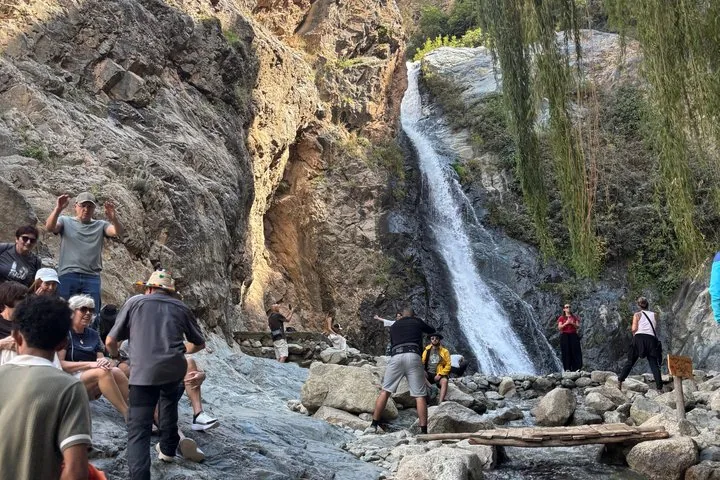
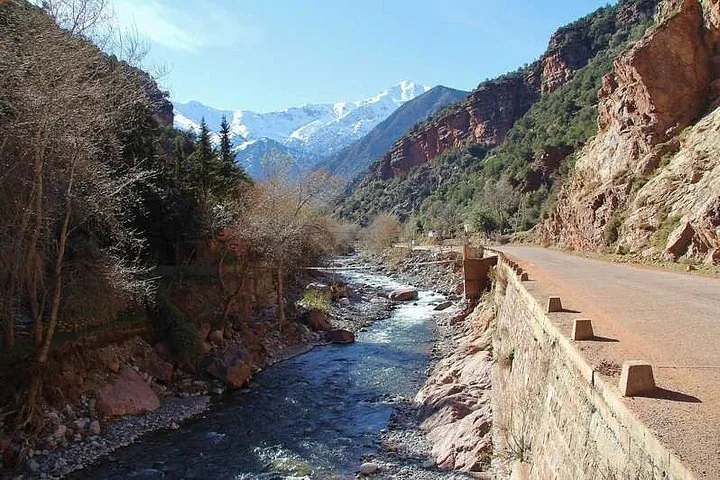
During Spring, melting snow from the High Atlas Mountains fills the Ourika River. This gives the seven tiered cascades their strongest water flow of the year. The valley also features blooming landscapes. Autumn (September to November) is the second best season, offering mild weather for the rocky hike.
What happens in Ourika during the Summer?
Summer brings intense heat and heavy crowds to the valley.
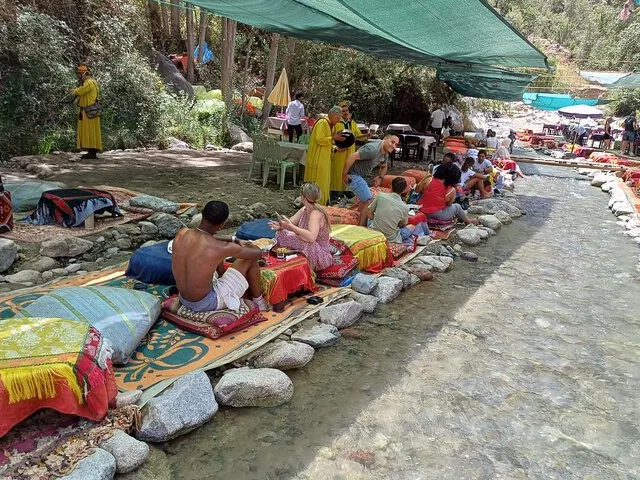
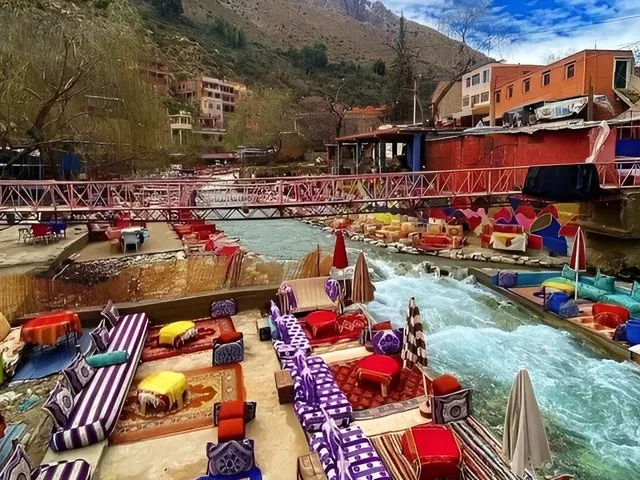
Locals and tourists escape the Marrakech heat by heading to the Ourika River. Weekends from June to August get extremely busy. Traffic on the narrow P2017 road backs up, and parking in Setti Fatma becomes difficult. If you visit in August, you will encounter the annual Moussem. This is a large local pilgrimage and festival.
Is Ourika Valley open in Winter?
Yes, the Setti Fatma cascades are open year-round.
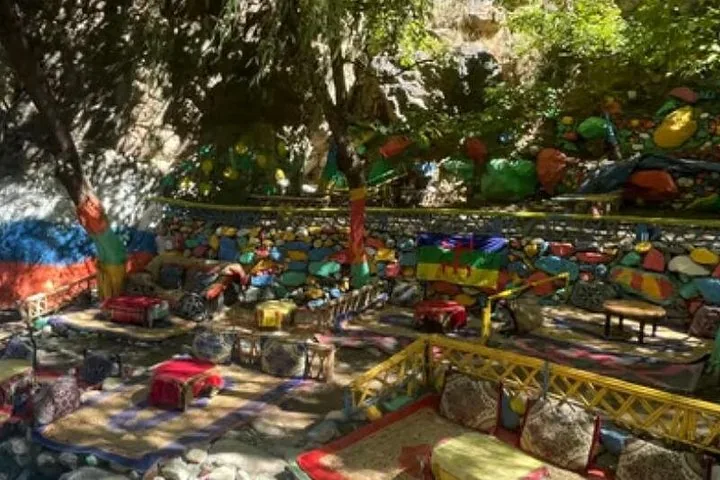
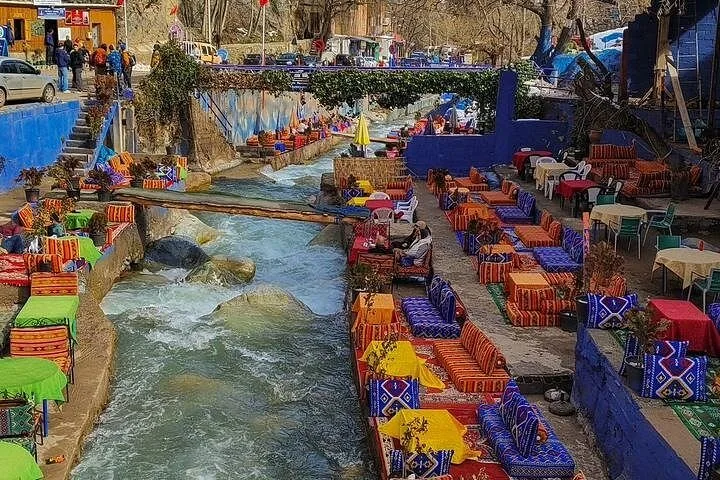
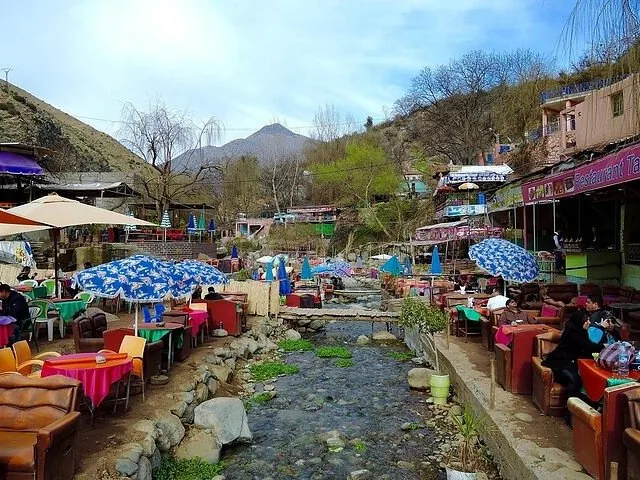
Winter visits mean quiet trails and empty riverside cafes. However, mornings in the Atlas Mountains get very cold. Setti Fatma village sits at an elevation of roughly 1,450 to 1,500 meters above sea level. You will need warm layers to start the hike. Proper hiking boots with strong grip are necessary because damp rocks are highly dangerous.
What is the best time of day to start the hike?
Start your hike before 10:30 AM.
Arriving early helps you avoid the heavy midday crowds at the first waterfall. The trail to the first cascade takes 40 to 45 minutes from Setti Fatma village. If you drive yourself, arriving early also helps you secure parking, which costs 10 to 20 MAD.
How does weather affect the upper waterfall trails?
Rain and river flow dictate if the upper trails are safe to climb.
Reaching cascades 2 through 7 requires scrambling over steep rocks and using fixed ropes. During heavy rain or peak spring flow, the rocks get extremely slippery. Locals might restrict access to the upper pools due to strong currents. Always pack a light rain jacket for mountain weather changes and waterfall spray.
Do I need to book tours in advance during peak season?
Yes, transport and tours fill up quickly in Spring and Summer.
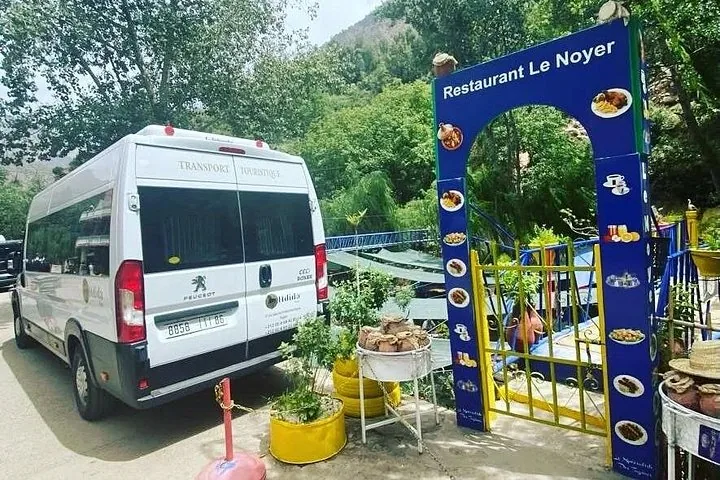
Organized day trips from Marrakech start from 250 MAD (25 EUR) per person. Tour prices change based on the platform. Booking a tour guarantees your seat and provides an air-conditioned vehicle for the 1 to 1.5-hour drive from the city. Shared grand taxis cost 30 to 50 MAD per seat, but wait times vary greatly during busy months.
Questions travellers ask
When is the Moussem festival in Setti Fatma?
Setti Fatma hosts its local Moussem pilgrimage and festival every August. Expect heavy crowds and a festive atmosphere throughout the village.
Can I hike in the afternoon?
Yes, but the trails and riverside cafes get crowded by midday. Morning hikes are cooler and much quieter.
How warm should I dress for an early hike?
Pack warm layers for cool Atlas mountain mornings. You will also need a light rain jacket for waterfall spray or sudden weather changes.